Northern Ethiopia Travel Guide: Ancient Castles, Rock Churches, and Timeless Wonders
Northern Ethiopia represents a dramatically different side of the country compared to the tribal lands of the south. While Southern Ethiopia captivates with its ethnic diversity and ancient pastoralist traditions, the north enchants with its deep Christian heritage, medieval architecture, stunning highland landscapes, and centuries-old monasteries hidden on remote islands and carved into solid rock. This is the Ethiopia of ancient kingdoms, religious devotion, and breathtaking mountain vistas.
The historical circuit of Northern Ethiopia has drawn travelers for decades, and for good reason. This region served as the heartland of the Ethiopian Empire, hosting successive capitals and witnessing the rise and fall of powerful dynasties. Today, it offers some of Africa's most remarkable cultural and natural attractions, from the rock-hewn churches of Lalibela to the dramatic peaks of the Simien Mountains.
This guide will take you through the highlights of Northern Ethiopia, exploring its religious heritage, distinctive culture, stunning landscapes, and the experiences that make this region unforgettable.
Understanding Northern Ethiopia
Northern Ethiopia differs from the south in nearly every way—climate, culture, religion, landscape, and development. While the south remains hot, arid, and home to diverse animist and pastoralist cultures, the north is characterized by:
Climate: Cooler temperatures, typically in the 20-25°C range, thanks to the highland altitude. The climate is temperate and more comfortable for most travelers.
Landscape: Rolling green hills, dramatic mountain ranges, deep river gorges, and fertile agricultural valleys. Acacia trees dot the countryside, creating scenes reminiscent of savanna paintings.
Religion: Overwhelmingly Orthodox Christian, with churches everywhere and religious devotion deeply woven into daily life. Islamic communities also have a significant presence, particularly in certain areas.
Development: Better infrastructure, more available water resources, more developed agriculture, and generally higher standards of living compared to remote southern regions.
Culture: While diverse, the culture is more homogeneous than the south, unified by Orthodox Christianity, Amharic language, and shared historical identity.
The Ethiopian Coffee Ceremony: A National Ritual
Before diving into specific destinations, it's essential to understand one cultural practice you'll encounter everywhere in Ethiopia, but especially in the north: the coffee ceremony.
Ethiopia is widely recognized as the birthplace of coffee. The arabica coffee plant originated in the Ethiopian highlands, and coffee remains central to Ethiopian culture and economy. The country produces some of the world's finest coffee beans, with distinctive varieties from regions like Yirgacheffe, Sidamo, and Harrar prized by coffee connoisseurs globally.
But in Ethiopia, coffee is far more than a beverage—it's a ritual, a social occasion, and almost a religious ceremony.
The Coffee Ceremony Process
The traditional Ethiopian coffee ceremony is an elaborate process that can take up to an hour:
-
Green coffee beans are washed and roasted over hot charcoal right in front of you. The roasting releases an intoxicating aroma that fills the air.
-
Incense (often frankincense) is burned, adding another layer of fragrance to the experience.
-
Fresh grass is spread on the floor, symbolizing the connection between humans and nature.
-
The roasted beans are ground by hand using a mortar and pestle.
-
The ground coffee is brewed in a special clay pot called a jebena.
-
Popcorn is often served alongside the coffee as a snack.
-
The coffee is served in small cups without milk. Sugar can be added, though many Ethiopians drink it black.
-
Traditionally, three rounds of coffee are served, each with a specific name and meaning.
You'll encounter coffee ceremonies everywhere—in homes, restaurants, hotels, at roadside stands, and even in remote villages. Guides often stop every few hours for coffee, making it a rhythm of daily travel. This isn't just a caffeine break; it's a moment to slow down, connect with people, and participate in a tradition that has sustained Ethiopian culture for centuries.
Ethiopian Cuisine: The Injera Experience
Ethiopian food deserves special mention because it's unlike cuisine anywhere else in the world. The foundation of Ethiopian meals is injera—a sour, fermented flatbread with a distinctive spongy texture.
Injera is made from teff, a tiny grain native to Ethiopia. The teff flour is mixed with water and fermented for several days, creating the characteristic tangy flavor. The batter is then cooked on a large circular griddle, creating a large, crepe-like bread.
How Ethiopian Meals Work
A traditional Ethiopian meal is served on a large platter:
- The base: A large piece of injera covers the entire plate
- The toppings: Various stews, vegetables, and meats are arranged on top
- Additional injera: Rolled pieces are provided on the side
Common dishes include:
- Shiro: A chickpea or bean stew, often the most popular vegetarian option
- Tibs: Sautéed meat (beef, lamb, or goat) with vegetables and spices
- Doro Wat: A spicy chicken stew, considered the national dish
- Kitfo: Minced raw beef (similar to steak tartare)
- Vegetable combinations: Lentils, split peas, cabbage, and other vegetables prepared in various styles
The Social Aspect
Eating Ethiopian food is inherently communal. You eat with your right hand (never the left), tearing off pieces of injera and using them to scoop up the stews. Meals are often shared from a single large platter, making dining an intimate, social experience.
A beautiful tradition called gursha involves feeding someone else—taking a piece of injera with food and placing it directly in another person's mouth. This gesture signifies friendship, love, and respect.
Most Ethiopians eat injera three meals a day, every day of their lives. While travelers often enjoy it immensely, the repetition can become challenging. Fortunately, larger towns offer alternative cuisines including pizza, pasta, and international dishes.
Tej: Ethiopian Honey Wine
The traditional alcoholic beverage is tej, a honey wine that's been produced in Ethiopia for thousands of years. Served in distinctive flask-shaped bottles that resemble laboratory glassware, tej ranges from sweet to dry and from mild to quite potent. It pairs beautifully with spicy injera meals, with the sweetness balancing the heat of the berbere spice blends.
Bahir Dar: Gateway to Lake Tana
Most travelers begin their northern circuit in Bahir Dar, a pleasant lakeside city that serves as the capital of the Amhara Region. Situated on the southern shore of Lake Tana, Bahir Dar offers a more modern, relaxed atmosphere than many Ethiopian cities.
The city features wide, palm-lined streets, pleasant hotels and restaurants, and a waterfront promenade that comes alive in the evenings. It's an excellent place to decompress and adjust to the pace of Ethiopian travel.
Lake Tana: Source of the Blue Nile
Lake Tana is Ethiopia's largest lake and holds tremendous geographical and historical significance. This massive body of water—approximately 84 kilometers long and 66 kilometers wide—is the source of the Blue Nile, which flows from the lake and eventually merges with the White Nile in Sudan to form the Nile proper.
Standing on the shores of Lake Tana, it's remarkable to contemplate that this water will flow over 1,300 kilometers northward through Sudan and Egypt before emptying into the Mediterranean Sea.
The lake itself sits at an elevation of approximately 1,800 meters above sea level, contributing to Bahir Dar's pleasant climate. It's home to diverse fish species and abundant birdlife, making it an important ecological resource.
The Island Monasteries
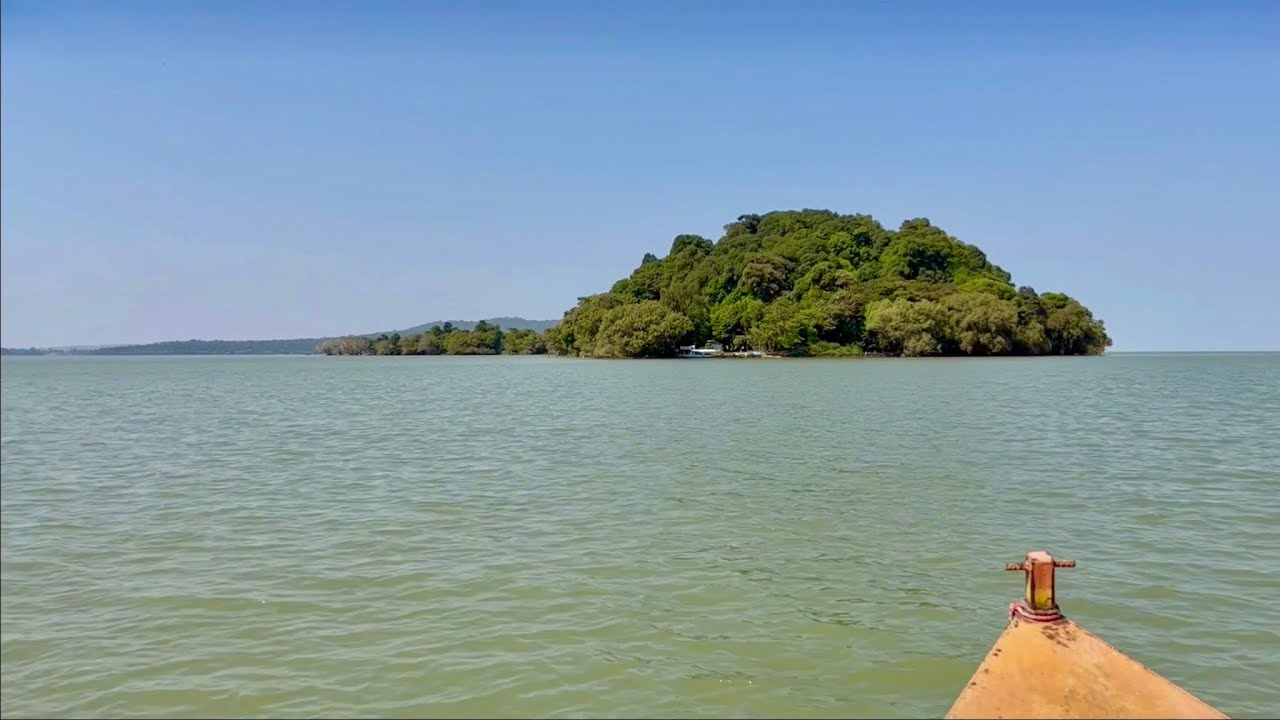
Lake Tana's most famous attractions are the ancient monasteries scattered across its islands and peninsulas. Of the lake's 37 islands, approximately 20 host churches and monasteries, some dating back to the 13th and 14th centuries.
These religious sites served multiple purposes throughout Ethiopian history:
- Spiritual centers for monastic communities
- Repositories for religious treasures and manuscripts
- Refuges during times of war and political turmoil
- Guardians of Ethiopian Orthodox traditions and knowledge
A boat trip across Lake Tana to visit these monasteries is a highlight of any visit to Bahir Dar. The journey itself is pleasant—gliding across the calm waters with distant mountains creating a scenic backdrop.
Visiting the Monasteries
The monasteries typically feature round, thatched-roof structures that appear unassuming from the outside. A short hike through forest paths—often populated with monkeys and various bird species—leads to the monastery compounds.
Stepping inside reveals their true magnificence. The circular interior walls are covered floor-to-ceiling with vibrant religious paintings on parchment or directly on the walls. These artworks depict:
- Scenes from the life of Christ
- Stories of Ethiopian saints
- The Virgin Mary (highly venerated in Ethiopian Orthodox Christianity)
- Angels and biblical narratives
- Historical events in Ethiopian Christian history
The paintings are executed in a distinctive Ethiopian style characterized by large eyes, flat perspectives, and bold colors. Despite their age—some are 400-500 years old—many remain remarkably well-preserved in the dry highland climate.
The monasteries house other treasures as well:
- Ancient manuscripts written in Ge'ez (the liturgical language)
- Ornate crosses and religious artifacts
- Ceremonial drums used in religious services
- Crowns and regalia from Ethiopian emperors
The atmosphere inside is profoundly peaceful. Soft light filters through small windows, incense smoke drifts through the air, and the sense of continuity with centuries of worship is palpable.
Notable Monasteries
Some of the most visited monasteries include:
Ura Kidane Mihret: Perhaps the most famous, known for its exceptional paintings and museum collection.
Azwa Maryam: Features beautiful murals and is situated on the Zege Peninsula (accessible by road as well as boat).
Kebran Gabriel: One of the oldest, though traditionally women are not permitted to enter (a restriction that remains at several monasteries).
Daga Estifanos: Houses the mummified remains of several Ethiopian emperors.
Gondar: The Camelot of Africa
From Bahir Dar, the journey continues to Gondar, approximately three hours north through beautiful highland countryside dotted with unusual rock formations, traditional villages, and agricultural terraces.
Gondar served as Ethiopia's capital from 1636 to 1855, a period of remarkable architectural and cultural flowering. During this time, successive emperors built elaborate castles and churches, earning Gondar the nickname "the Camelot of Africa."
The Royal Enclosure
The centerpiece of Gondar is the Royal Enclosure (Fasil Ghebbi), a UNESCO World Heritage Site containing six castles built by various emperors between the 17th and 18th centuries. Surrounded by high walls, this compound represents a unique architectural style that blends Ethiopian, Portuguese, and Indian influences.
Fasilides' Castle: The oldest and most impressive, built by Emperor Fasilides who founded Gondar as the capital. This three-story stone castle features towers, battlements, and arched windows, creating a medieval European appearance unusual in Africa.
Iyasu's Palace: Built by Emperor Iyasu the Great, this castle was once even more magnificent than Fasilides', though much was destroyed during conflicts.
Library of Yohannes I: A two-story building that once housed important manuscripts and royal documents.
Palace of Mentuab: A banquet hall and reception area built for Empress Mentuab.
Walking through the Royal Enclosure feels like stepping into a different era. The stone walls, arched doorways, and castle chambers evoke medieval Europe, yet the setting is distinctly African. Lions were once kept in the enclosures as symbols of imperial power (the Lion of Judah being an important symbol in Ethiopian Christianity).
Debre Berhan Selassie Church
Just outside the city center stands one of Ethiopia's most beautiful churches: Debre Berhan Selassie ("Trinity at the Mountain of Light"). Built in the late 17th century, this rectangular church survived numerous attacks and destructions that befell other Gondar buildings.
The church's fame rests primarily on its ceiling, which is covered with paintings of 80 cherubic angel faces arranged in neat rows. These winged angel heads, with their large eyes and serene expressions, have become one of Ethiopia's most iconic images.
The walls feature biblical scenes painted in vivid colors, including a particularly famous depiction of the Trinity. The church remains an active place of worship, and visitors must remove their shoes before entering—a sign of respect observed at all Ethiopian Orthodox churches.
Fasilides' Bath
Another remarkable site in Gondar is Fasilides' Bath, a large rectangular pool surrounded by walls and overlooked by a two-story pavilion. Despite its name, this wasn't actually a bath but rather a recreational pool for the royal court.
Today, the bath remains dry for most of the year but is filled with water once annually for the Timkat festival (Epiphany), one of Ethiopia's most important religious celebrations. During Timkat, thousands of pilgrims gather here for a ceremonial blessing and baptism, jumping into the water in a joyous celebration of faith.
Simien Mountains National Park
A few hours' drive from Gondar brings you to one of Ethiopia's—and Africa's—greatest natural wonders: the Simien Mountains National Park. This UNESCO World Heritage Site protects some of the most spectacular mountain scenery on the continent.
The Landscape
The Simien Mountains were formed by volcanic activity millions of years ago, followed by extensive erosion that carved the dramatic landscape visible today. The park features:
- Jagged mountain peaks, including Ras Dashen (4,550m), Ethiopia's highest point and Africa's fourth-highest mountain
- Vast plateaus at 3,000-4,000 meters elevation
- Sheer cliffs dropping 1,500 meters into canyons below
- Deep valleys and gorges
- Afro-alpine vegetation unique to high-altitude East Africa
The views are otherworldly—vast panoramas of sharp peaks, deep gorges, and rolling highlands stretching to the horizon. The scale is difficult to comprehend until you're standing there, looking across seemingly infinite expanses of mountains and valleys.
The Wildlife
While the scenery alone justifies a visit, the Simien Mountains are also home to several endemic wildlife species found nowhere else on Earth.
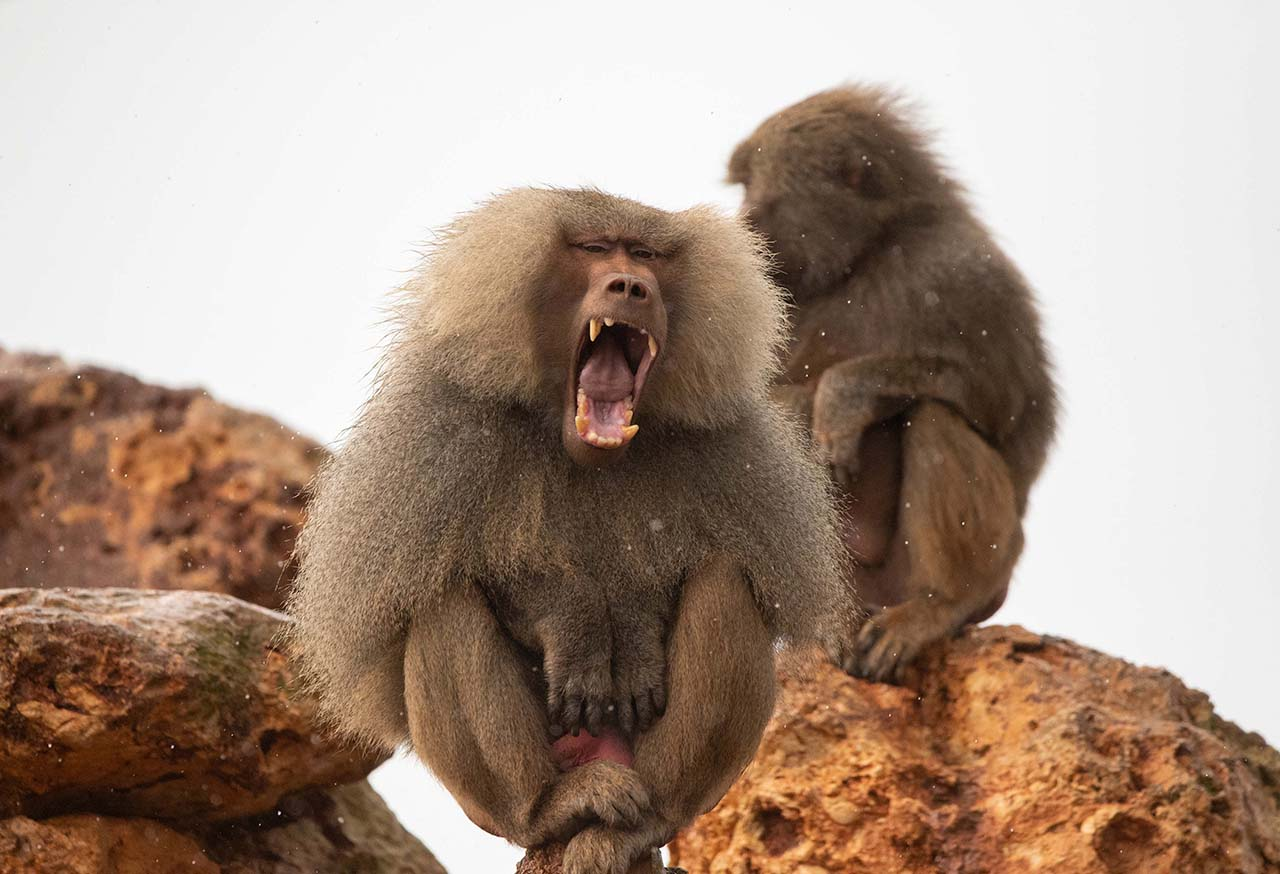
Gelada Monkeys: Often incorrectly called "Gelada baboons," these primates are actually the last surviving species of ancient grass-eating monkeys. They're characterized by the distinctive red patch on their chests (earning them the nickname "bleeding-heart monkeys") and the impressive manes of males.
Geladas live in large troops that can number several hundred individuals. They're remarkably tolerant of human presence, allowing visitors to sit among them and observe their complex social behaviors. Unlike most primates that live in forests, Geladas are specialized for life in the grasslands, spending their days grazing and their nights sleeping on cliff faces to avoid predators.
Watching a troop of Geladas, especially the magnificent males with their flowing manes, against the backdrop of the Simien peaks is an unforgettable experience.
Walia Ibex: This wild goat is found only in the Simien Mountains and is critically endangered, with only about 400 individuals remaining. Males sport impressive curved horns and are incredibly agile, navigating near-vertical cliff faces with ease. Spotting a Walia ibex requires luck and keen eyesight, as they inhabit the most remote and inaccessible areas.
Ethiopian Wolf: The world's rarest canid occasionally appears in the Simien Mountains, though sightings are uncommon. These elegant predators hunt rodents in the high-altitude grasslands.
Visiting the Simien Mountains
Most visitors to the Simien Mountains either do day trips from nearby towns or undertake multi-day treks through the park. The main access point is from Debark, where you register at the park office and arrange mandatory guides and armed scouts.
Simien Lodge: Perched at 3,260 meters elevation, this is Africa's highest hotel. The lodge offers comfortable accommodation with spectacular views, excellent food, and a cozy atmosphere perfect for evening relaxation after a day of hiking. Sitting by the fireplace with a glass of wine while the temperature drops outside provides a welcome contrast to the daytime mountain activities.
Day Trips: From Simien Lodge or other bases, you can take guided hikes along the escarpment edges, offering breathtaking views into the valleys below. Trails range from easy walks to more challenging climbs to viewpoints.
Multi-Day Treks: For the adventurous, treks ranging from 3-10 days are available, including expeditions to summit Ras Dashen. These treks take you deep into remote areas of the park, camping at high-altitude sites and experiencing the mountains' full majesty.
The experience of hiking in the Simien Mountains—surrounded by vast silence, dramatic scenery, and unique wildlife—creates a profound sense of being far from civilization, even though villages and agricultural areas aren't far away. The scale and grandeur of the landscape inspire a contemplative quietness that many visitors find deeply moving.
Lalibela: The Eighth Wonder of the World
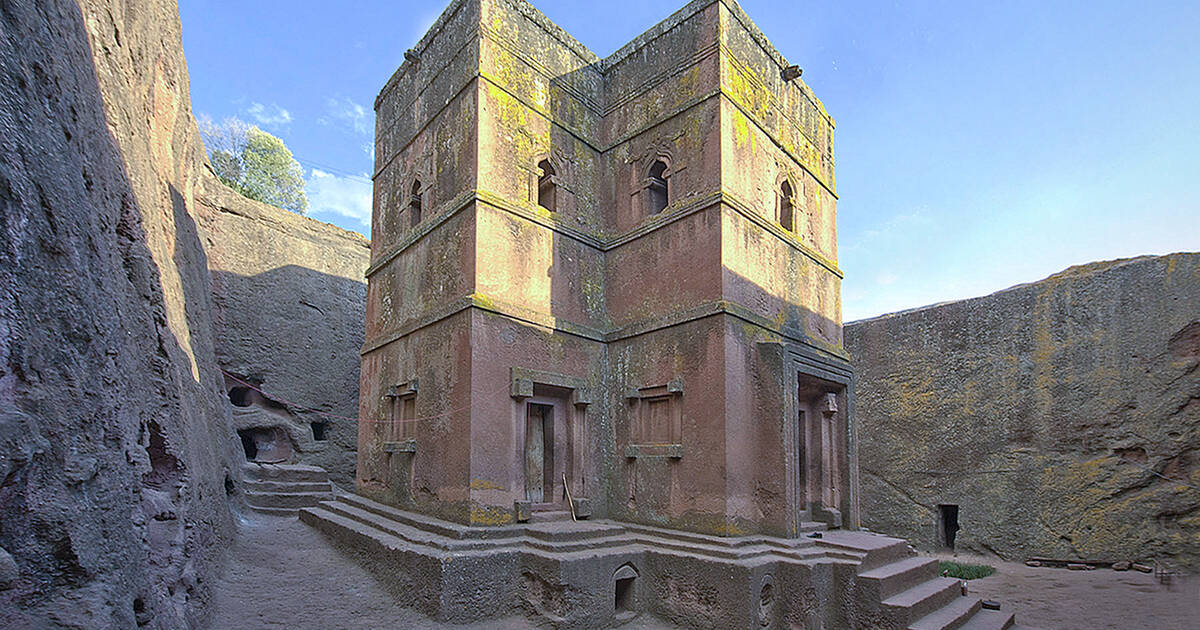
No discussion of Northern Ethiopia would be complete without Lalibela, home to eleven rock-hewn churches that rank among humanity's most remarkable architectural achievements. These churches, carved entirely from solid rock in the 12th and 13th centuries, are often called the "Eighth Wonder of the World."
The Historical Context
According to tradition, King Lalibela of the Zagwe Dynasty ordered the construction of these churches in the late 12th century with the intention of creating a "New Jerusalem" in Ethiopia. When Muslim forces controlled Jerusalem, Ethiopian Christians could no longer make pilgrimages to the Holy Land, so Lalibela sought to recreate sacred sites at home.
The churches were carved from the top down, with workers first excavating trenches to define the church's outline, then gradually carving downward and inward to create the structure. The rock was carved away both outside and inside, creating freestanding buildings that remain connected to the bedrock only at their bases.
The Churches
The eleven churches are divided into two main groups, separated by the Jordan River (a small stream named after the biblical river):
Northern Group:
- Bet Medhane Alem (House of the Savior of the World) - The largest monolithic church in the world
- Bet Maryam (House of Mary) - Features beautiful paintings and carved crosses
- Bet Golgotha - Contains carved reliefs and is traditionally reserved for men only
- Bet Mikael
- Bet Denagel
Eastern Group:
- Bet Gabriel-Rufael - A double church carved into a cliff face
- Bet Merkorios
- Bet Amanuel - Often considered the most finely carved
- Bet Abba Libanos
Separate:
- Bet Giyorgis (Church of St. George) - The most iconic, carved in the shape of a perfect cross and standing alone in a deep pit
The Experience
Visiting Lalibela is a spiritual and architectural pilgrimage. The churches remain active places of worship, with priests and pilgrims maintaining traditions that have continued unbroken for 800 years.
You'll navigate through narrow tunnels and passages connecting the churches, step across rock-hewn trenches, and emerge into courtyards where the churches stand. The scale is impressive—these aren't small chapels but substantial churches, some standing over 10 meters tall, entirely carved from solid volcanic rock.
Inside, the churches are dimly lit, with sunlight filtering through carved windows. The walls show centuries of wear from pilgrims' hands and the smoke of countless candles and incense. Priests guard ancient treasures—illuminated manuscripts, processional crosses, royal crowns, and other sacred objects.
During major religious festivals, especially Ethiopian Christmas (Genna) and Epiphany (Timkat), Lalibela fills with thousands of white-robed pilgrims who come to worship. The sight of these crowds gathered at the churches, chanting and praying, provides a glimpse of the living faith that has sustained these monuments for centuries.
The Religious Landscape
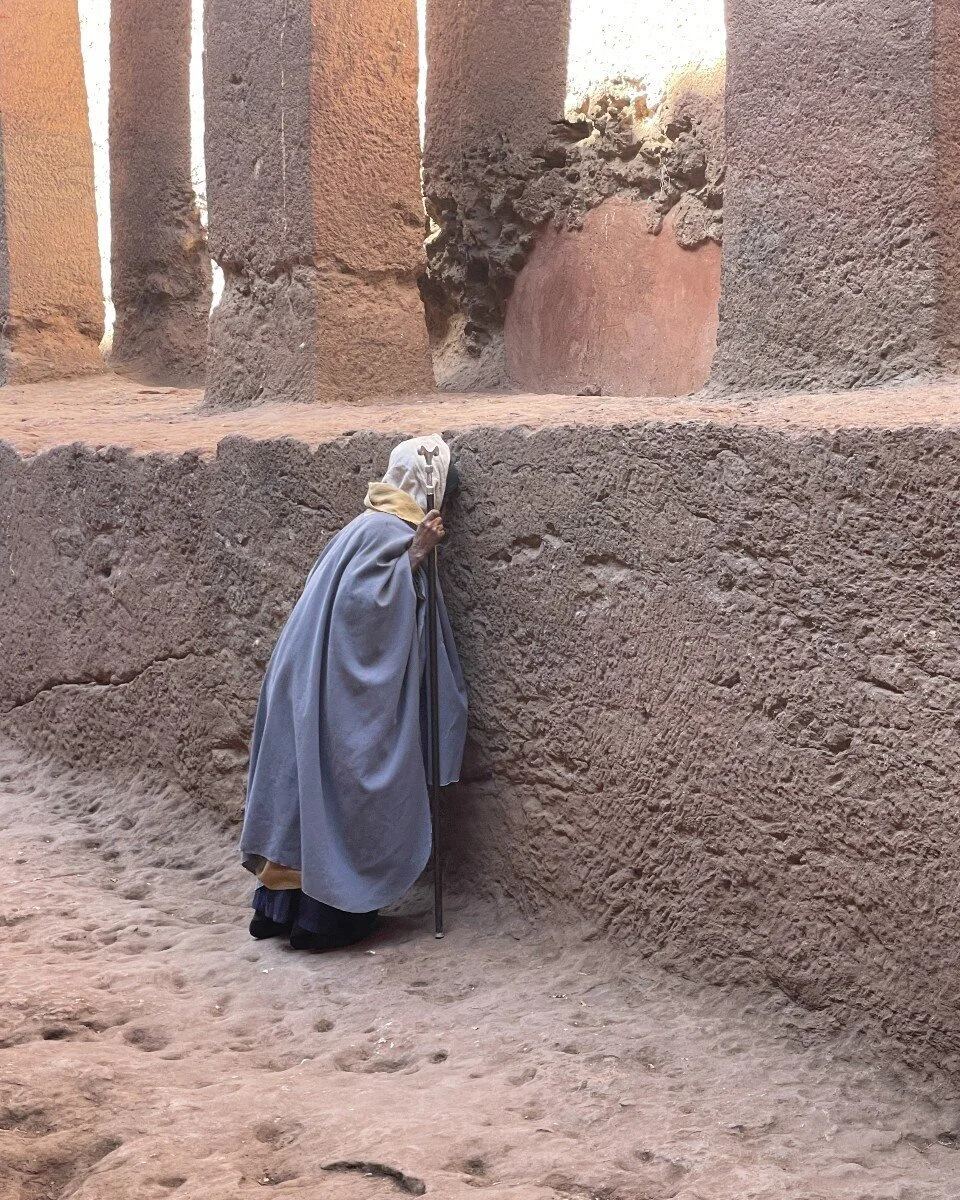
Throughout Northern Ethiopia, the Orthodox Christian faith is omnipresent. Churches dot the landscape—some simple rural structures, others elaborate ancient monuments. You'll see:
- Priests in traditional robes walking country roads
- People kissing church walls as they pass
- Roadside shrines and crosses
- Religious artwork and icons in homes and businesses
- The sound of church bells and prayers
- White-robed pilgrims traveling to holy sites
Ethiopian Orthodox Christianity is one of the world's oldest Christian traditions, with roots dating to the 4th century CE when the Kingdom of Aksum adopted Christianity as the state religion. The church maintains unique practices, including:
- All-night vigils and extensive fasting periods
- Elaborate ceremonial liturgy conducted in Ge'ez
- Veneration of the Ark of the Covenant (believed to reside in Aksum)
- Integration of Old Testament practices with Christian theology
- Distinctive church architecture and artistic styles
This deep religiosity shapes daily life in ways that can be surprising to visitors. Fasting days (when Orthodox Christians avoid animal products) mean restaurants may have limited menus. Church services beginning at dawn mean bells ringing very early. The rhythm of religious observance structures time and space throughout the region.
Conclusion
Northern Ethiopia offers a travel experience that combines profound historical significance, spiritual depth, natural grandeur, and cultural richness. From the island monasteries of Lake Tana to the medieval castles of Gondar, from the otherworldly peaks of the Simien Mountains to the rock-hewn churches of Lalibela, this region presents layers of discovery.
The north differs dramatically from the south—cooler, greener, more developed, and unified by a shared Christian heritage rather than the south's ethnic and cultural diversity. Yet both regions are authentically Ethiopian, both essential to understanding this complex and fascinating country.
The coffee ceremonies, the injera meals, the warmth of the people, the depth of religious devotion, the stunning landscapes—these elements combine to create an experience that challenges, inspires, and transforms visitors. Northern Ethiopia is not always easy travel—infrastructure can be challenging, language barriers exist, and the pace differs from Western expectations—but the rewards for those who embrace the journey are immeasurable.
Whether watching Gelada monkeys in the Simien Mountains, exploring ancient monasteries on Lake Tana's islands, standing inside a church carved from solid rock 800 years ago, or simply sharing coffee with new friends, Northern Ethiopia offers moments of wonder and connection that stay with you long after you've returned home.
This is a land where ancient traditions live on, where faith remains central to daily life, where history is tangible and present, and where natural beauty exists on a scale that humbles and inspires. Northern Ethiopia deserves its place among the world's great travel destinations.
Frequently Asked Questions
1. How much time should I spend in Northern Ethiopia? A minimum of 7-10 days allows you to see the major highlights (Bahir Dar, Gondar, Simien Mountains, and Lalibela). Two weeks is ideal for a more relaxed pace.
2. What's the best time to visit? The dry season from October to May offers the best weather, with clear skies and comfortable temperatures. December to February is peak season but also the busiest.
3. Do I need a guide? While independent travel is possible, having a guide enriches the experience significantly, especially at historical and religious sites where context and explanation add tremendous value.
4. Is it safe to travel in Northern Ethiopia? Generally yes, the northern historical circuit is well-established and safe. However, check current conditions before traveling, as regional situations can change.
5. What about altitude sickness? Most of Northern Ethiopia sits at 2,000-2,500 meters, which rarely causes serious problems. The Simien Mountains reach higher elevations, so take time to acclimatize.
6. Can I take photographs in churches? Some churches permit photography (sometimes for a fee), others do not. Always ask permission and respect restrictions, especially during religious services.
7. How is the food for vegetarians? Ethiopian cuisine offers excellent vegetarian options, particularly during Orthodox fasting periods when many people avoid animal products. Shiro and vegetable combinations are delicious and widely available.
8. Is it difficult to get around? Domestic flights connect major cities quickly. By road, distances are significant and travel can be slow, but the scenery makes the journeys worthwhile.
This article was originally published on January 22, 2026.