Semien Mountains: Ethiopia's Roof of Africa and UNESCO World Heritage Site
The Semien Mountains, often called Ethiopia's "Roof of Africa," stand as one of the most spectacular natural wonders of East Africa. This UNESCO World Heritage Site in northern Ethiopia offers breathtaking landscapes, unique wildlife, and a rich cultural heritage that has captivated explorers for centuries.
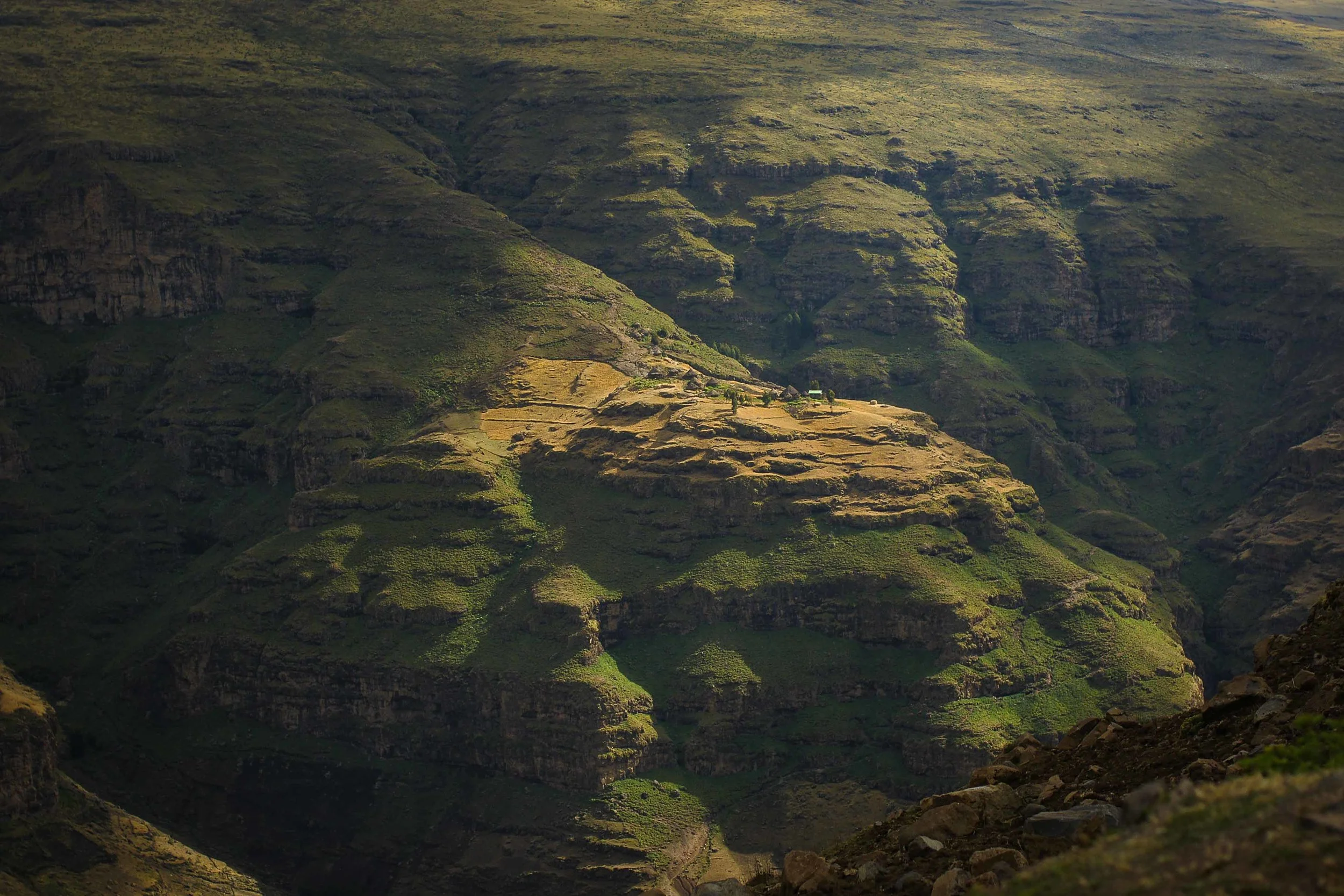
Rising majestically from the Ethiopian highlands, the Semien Mountains National Park encompasses an area of approximately 179 square kilometers and features some of the most dramatic scenery on the continent. With peaks reaching over 4,500 meters above sea level, these mountains provide a habitat for unique wildlife and offer unparalleled hiking opportunities.
Geographic Marvels
Ras Dashen: Ethiopia's Highest Peak
At 4,550 meters above sea level, Ras Dashen is Ethiopia's highest mountain and the fourth-highest peak in Africa. This impressive summit offers panoramic views that stretch across the Ethiopian highlands and into neighboring Eritrea. The climb to Ras Dashen is a challenging but rewarding trek that typically takes 2-3 days and requires proper acclimatization due to the altitude.
Dramatic Escarpments and Valleys
The Semien Mountains are characterized by their stunning escarpments that drop dramatically into deep valleys. The Buahit escarpment, for instance, plunges over 1,500 meters in some places, creating one of the most impressive geological formations in Africa. These sheer cliffs provide nesting sites for thousands of birds and offer spectacular viewpoints for visitors.
Unique Wildlife
The Walia Ibex
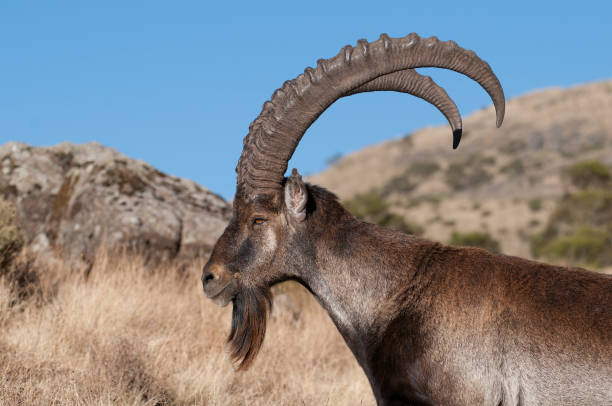
The Semien Mountains are home to the rare and endangered Walia Ibex (Capra walie), a unique species of wild goat found nowhere else on Earth. With its distinctive backward-curving horns and reddish-brown coat, this majestic animal has become the symbol of the Semien Mountains National Park. Conservation efforts have helped stabilize the population, which now numbers around 500 individuals.
Ethiopian Wolf
Another star attraction is the Ethiopian Wolf (Canis simensis), Africa's most endangered carnivore. This beautiful red-coated wolf is found only in the Ethiopian highlands and the Semien Mountains provide one of its last strongholds. With fewer than 500 individuals remaining in the wild, spotting one of these elusive predators is a highlight for many visitors.
Gelada Baboons
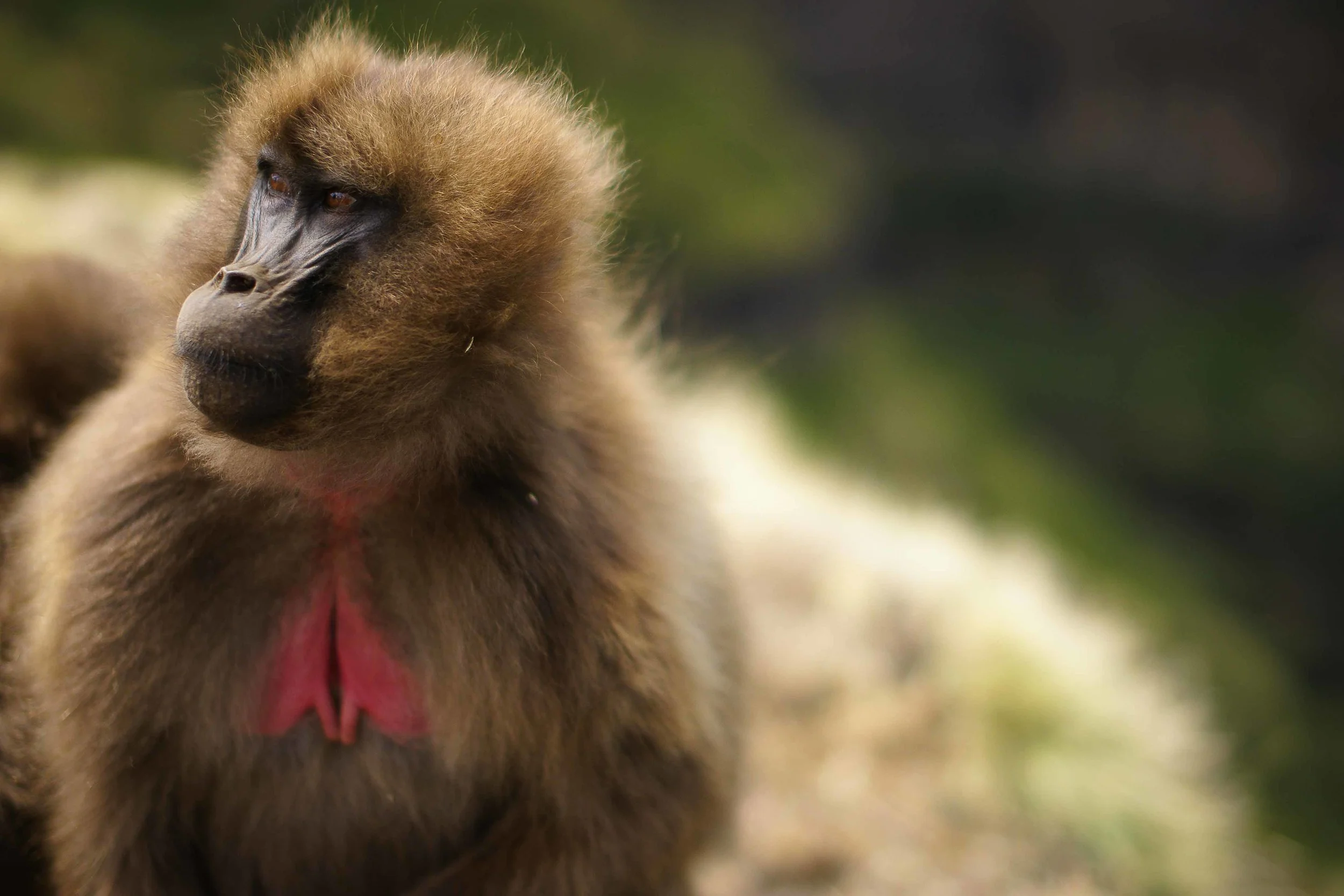
The grasslands of the Semien Mountains are home to troops of Gelada Baboons, the only grass-eating primates in the world. These distinctive monkeys, with their red chests and flowing manes, can be seen grazing peacefully on the highland meadows. Their complex social structures and vocal communications make them fascinating subjects for wildlife enthusiasts.
Cultural Heritage
Ancient Monasteries
Perched dramatically on cliff edges and mountain peaks, several ancient monasteries dot the Semien landscape. The Monastery of Debre Libanos, founded in the 13th century, offers stunning views and houses valuable religious artifacts. These monasteries represent an important part of Ethiopia's Orthodox Christian heritage and provide insight into the region's spiritual history.
Local Communities
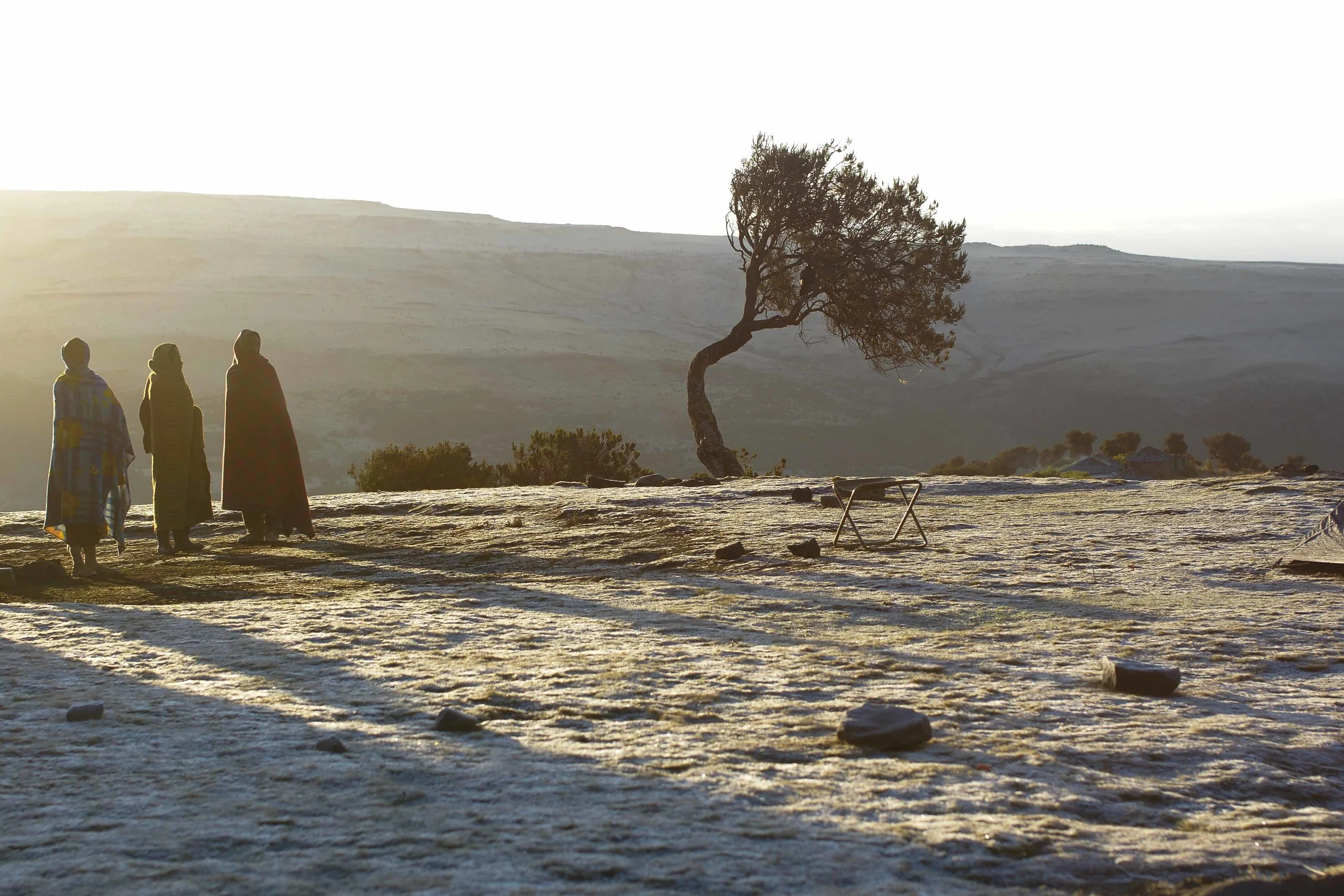
The Semien Mountains are home to the Amhara people, who have lived in harmony with this rugged landscape for generations. Their terraced agriculture, stone houses, and traditional way of life add another layer of cultural richness to the area. Local guides from these communities offer authentic insights and help support conservation efforts.
Hiking and Trekking
Popular Routes
The Semien Mountains offer hiking trails for all levels of experience:
- Chenek Trail: A moderate 2-day hike offering spectacular views
- Ras Dashen Summit: The ultimate challenge for experienced mountaineers
- Gich Camp to Sankaber: A scenic route through valleys and meadows
Best Time to Visit
The dry season from October to May offers the best conditions for trekking. During this time, clear skies provide excellent visibility, and the weather is generally mild. However, night-time temperatures can drop significantly, so proper cold-weather gear is essential.
Conservation and Sustainability
UNESCO World Heritage Status
The Semien Mountains were designated a UNESCO World Heritage Site in 1978, recognizing their outstanding natural beauty and ecological importance. The park's management focuses on protecting the unique biodiversity while allowing sustainable tourism that benefits local communities.
Conservation Challenges
Despite protection efforts, the Semien Mountains face several challenges:
- Climate Change: Rising temperatures are affecting the delicate highland ecosystem
- Overgrazing: Increased livestock pressure on fragile grasslands
- Human-Wildlife Conflict: Growing populations lead to increased interactions between people and wildlife
Planning Your Visit
Getting There
The Semien Mountains are accessible via a scenic drive from Gondar (approximately 2-3 hours) or by domestic flight to Debark followed by a shorter drive. The park headquarters at Debark serves as the main entry point for visitors.
What to Bring
- Warm layers for cold nights
- Sturdy hiking boots
- Sun protection (hat, sunglasses, sunscreen)
- Water purification tablets
- Snacks and water for day hikes
The Semien Mountains represent Ethiopia's natural splendor at its most dramatic. This UNESCO World Heritage Site offers not just breathtaking scenery, but also a chance to connect with unique wildlife, ancient cultural traditions, and local communities working to preserve this irreplaceable natural treasure. Whether you're an experienced mountaineer or a nature lover seeking new horizons, the Semien Mountains promise an unforgettable Ethiopian adventure.